Reptile
A sit-and-wait snake that looks like a leaf until it is not
Highly venomous. Ambush hunter. Not an identification project for your hands. Historic /COMMON_DEATH_ADDER.htm redirects here.
- Front-fanged venomous
- Elapid
- Hunting style
- Ambush
- Typical cover
- Leaf litter
- If bitten
- Emergency
The common death adder (Acanthophis antarcticus) is a highly venomous Australian elapid. It is a sit-and-wait predator with a thick body and a lure-like tail tip. Bites are a medical emergency. This page is identification and respect — not husbandry, not handling advice.
Definition
Death adder. Snakes of the genus Acanthophis — short, stout elapids that ambush prey rather than actively chasing it. Several species occur in Australia.
Identification
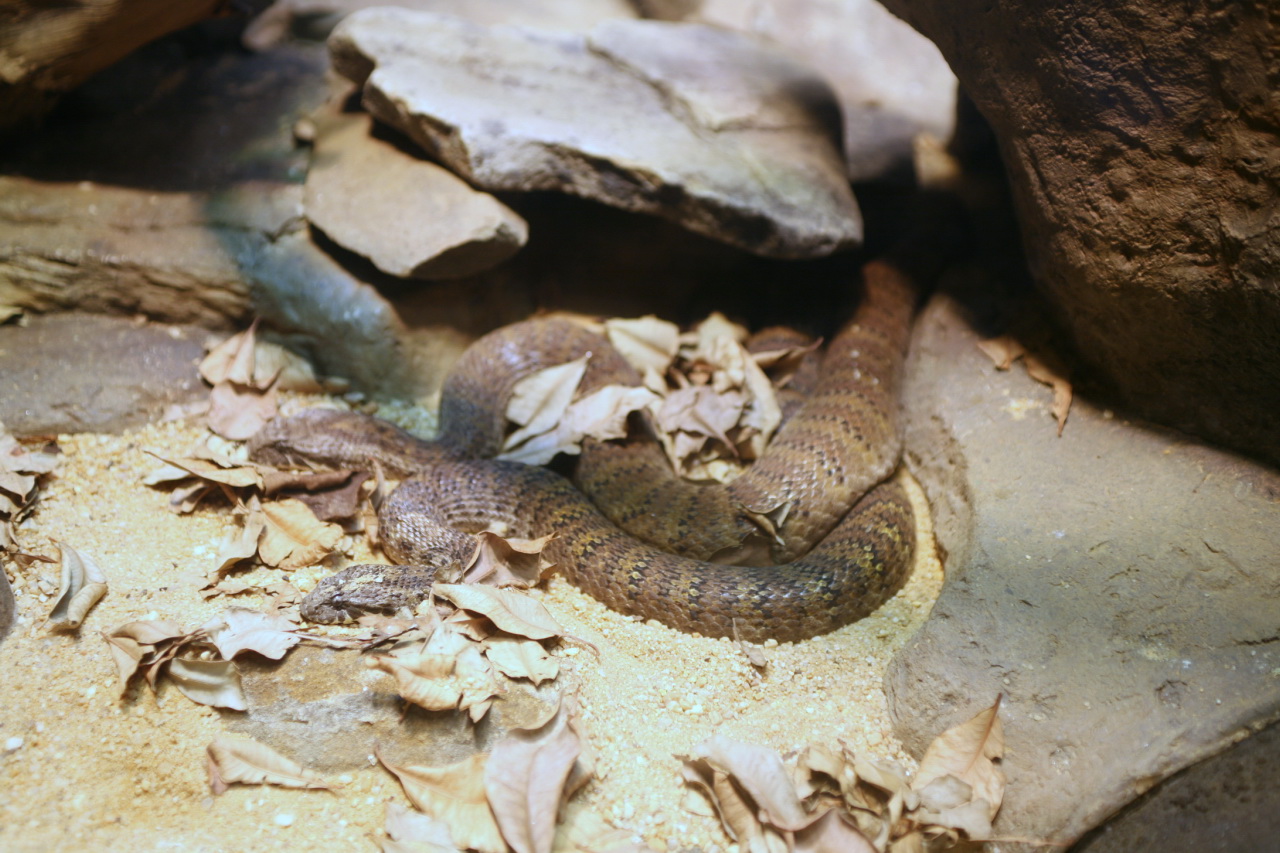
A triangular head, a banded thick body, and a thin tail tip used as a caudal lure. People mistake them for lizards because of the proportions. That mistake is how hands get bitten.
Other Acanthophis species occur in the north and inland. Do not assume every death adder is A. antarcticus.
Viewing
Look, do not prod. Use a long lens from the path. Never attempt to move a snake with a stick for a photograph. Wear boots and watch the next footfall in heath.
/COMMON_DEATH_ADDER.htm and /Common_Death_Adder.html 301 here.
A sit-and-wait elapid, not a lizard
The common death adder (Acanthophis antarcticus) is a thick-bodied Australian elapid. A triangular head, a banded body, and a thin tail tip used as a caudal lure. People mistake them for lizards because of the proportions. That mistake is how hands get bitten. Other Acanthophis species occur in the north and inland. Do not assume every death adder is A. antarcticus.
They are venomous. This page will not give you a fang-length trivia line or a homemade first-aid protocol beyond the public instruction: call 000, do not cut or suck, apply a pressure bandage if you have been trained to, and get to a hospital. That is orientation, not professional medical care.
Viewing
Look, do not prod. Use a long lens from the path. Never attempt to move a snake with a stick for a photograph. Wear boots and watch the next footfall in heath and leaf litter. They sit still. That is the point of a sit-and-wait predator.
Do not keep one. Do not relocate one because a child is nearby — move the child and call a licensed catcher if the animal is inside a house.
Check the current IUCN line if you need a status word. Pair with blue-tongued skinks so the thick-body confusion stays honest, and with the FAQ and photography hubs. Parks notes win. This is education, not a handling guide.
Heath, boots, and the lure
Death adders sit. The tail tip twitches like a worm. That is how they hunt. It is also why people put a hand down. Wear boots in heath. Watch the next footfall. If you want a photograph, you already have a phone with a zoom — use it from the path. A stick is not a tool; it is how faces get close to fangs. Licensed snake catchers exist for houses. Parks exist for tracks. This page exists so you do not treat a fat elapid as a skink.
Other Acanthophis and the litter you did not see
Northern and inland death adders are different species. A thick snake in Kimberley litter is not automatically A. antarcticus. The lure still works. The first-aid line is still 000. This page will not add a fang trivia box because trivia is how people get casual. Wear boots. Watch the footfall. Photograph from the path or not at all.
Repeat the emergency line
Call 000. Do not cut. Do not suck. Pressure bandage if trained. Hospital. That is the only medical paragraph this species page will keep. Everything else is identification and distance.
Questions
Questions people actually ask
Highly. It is a front-fanged elapid; untreated bites are a medical emergency. Do not handle it, do not kill it for a photograph, and do not treat this page as a first-aid course.