Geography
Wildlife is a geography problem first
A bilby is not a Wet Tropics animal. A cassowary is not a desert animal. Start with the country, then open the species page.
- Habitat stories here
- 6
- Climate span
- Monsoon to alpine
- Official bioregion map
- IBRA
- Often matters more than the map
- Season
Australian habitats run from monsoon wetlands and tropical rainforest to spinifex deserts, eucalypt forests, alpine herbfields, and a southern ocean coast. The animal you came to see lives in one of those systems — not “Australia” as a single paddock.
Definition
Bioregion. A large area with a shared climate, landform, and living community. Parks and the Interim Biogeographic Regionalisation for Australia (IBRA) use bioregions to talk about habitat — this guide uses the same idea in visitor language.
Top End and Kimberley
Monsoon tropics and wetlands. Magpie geese, jabiru, and a visitor industry that still under-briefs people about saltwater crocodiles. Seasonal wetlands fill and empty. If you travel in the wet season, access is a Parks problem, not a suggestion.
Wet Tropics
The rainforest of far north Queensland is World Heritage country for a reason: ancient plant lineages and animals that do not occur in the southern eucalypt belt. Stay on the track. Cassowaries are large, wild birds — not photo extras.
Arid and semi-arid inland
This is greater bilby country, perentie country, and a nocturnal mammal fauna shaped by heat and introduced predators. Uluru-Kata Tjuta and desert parks have their own access and cultural protocols. Daytime in midsummer is when sensible people sit still.
Temperate south-east forests
Koalas, lyrebirds, gliders, and the eucalypt forests people picture when they say “the bush.” Fire history matters. So do dogs on leads and staying out of koala trees.
Alpine and high country
A short, intense growing season. Alpine mammals and reptiles use snow country that looks empty to a summer visitor. Parks closures exist because weather and recovery after fire are real.
Islands and southern coasts
Little penguins, seals, seabirds, and island refuges used in recovery programs. The little penguin page is the starting biology; the official colony is the starting ticket if you want a managed dusk viewing.
Official geography lives on government bioregion maps and Parks sites. This page is the visitor translation.
How to read a region before you book
A region page is not a ranking of “best places to see wildlife.” It is a filter. Ask four questions:
- Which animal did you actually mean? A koala is an eastern forest problem. A greater bilby is an arid and managed-refuge problem. A little penguin is a southern-coast dusk problem.
- Which season? Wet-season closures in the north, alpine winter closures, heat that makes inland days empty, and whale seasons on the coast all change the trip.
- Who manages the place? Parks Australia for Commonwealth parks (Kakadu, Uluru-Kata Tjuta, Booderee, and others). State and territory parks services for the rest. Traditional Owners for a large and growing share of both.
- What is already written down? Seasonal closures, dog bans, crocodile zones, cultural photography bans, and vehicle rules are the visit.
If you cannot answer those without inventing a blog pin, you are not ready to travel. Read the species page, then the agency page.
Top End and Kimberley, with the caution people skip
Monsoon tropics and wetlands look like a bird brochure until you add saltwater crocodiles. Parks notes are not optional. Stay out of the water, off unfenced banks, and away from boat ramps at dusk when signs say so. Magpie geese, jabiru, and floodplain gatherings are real; so is the visitor who ignored a sign.
Kakadu and other Commonwealth parks publish their own access, cultural protocols, and wet-season road status. This site will not invent an opening date. Flying-fox camps and wetland roosts are not places to walk dogs.
Wet Tropics, without treating rainforest as a zoo path
The Wet Tropics of Queensland is World Heritage country: ancient plant lineages, stream-dwelling frogs, and mammals that do not occur in the southern eucalypt belt. Cassowaries are large, wild birds. They are not photo extras. Give them the road verge. Do not feed. Do not form a ring around a chick.
Tree-kangaroos are a Wet Tropics story, not a roadside kangaroo story. If you want the large hoppers of open country, you want kangaroos and a different habitat. Stay on the boardwalk. Phytophthora and trampling are why the tape is there.
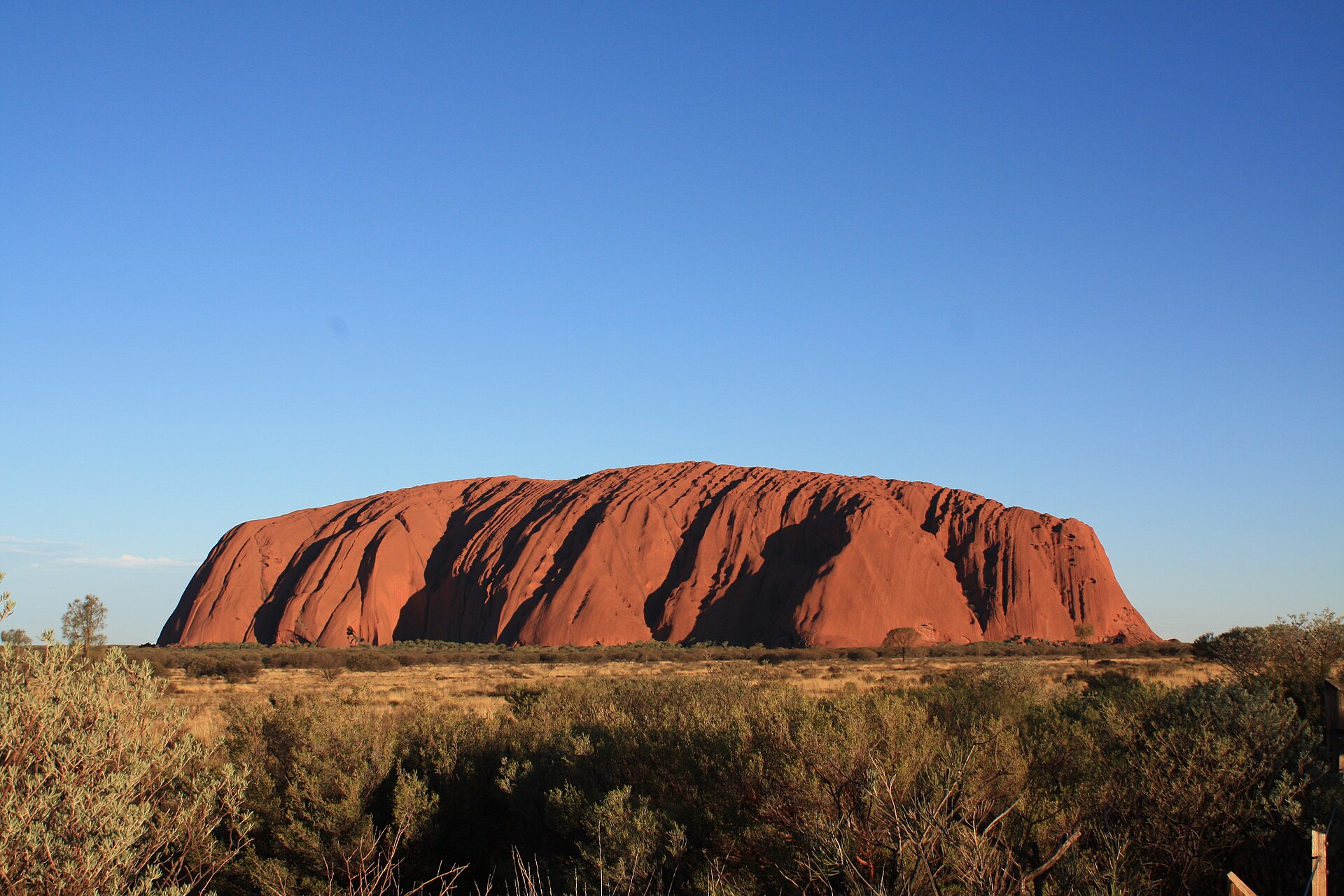
Arid and semi-arid inland, including Uluru
This is greater bilby country, perentie country, and a nocturnal mammal fauna shaped by heat, introduced predators, and distance between water. Uluru-Kata Tjuta has cultural protocols that include photography restrictions at some sites. Those rules win.
Daytime in midsummer is when sensible people sit still. Night driving kills wildlife and exhausts travellers. If you visit a fenced sanctuary or an island refuge used in recovery, you are looking at a management program — cite the program for current access, not this paragraph.
Temperate south-east forests
This is the eucalypt belt people picture when they say “the bush”: koalas, lyrebirds, gliders, and a fire history that rewrites a decade in a week. Dogs on leads. Stay out of koala trees. A single celebrity tree next to a highway is not a recovered population.
The common wombat belongs in the cooler south-east. The southern hairy-nosed wombat belongs in the semi-arid south. Do not conflate them because both are wombats.
Alpine and high country
Snow gums, a short growing season, and parks closures after fire or in winter. Alpine reptiles and mammals use country that looks empty to a January visitor. That emptiness is the point. Stay on the track. Do not shortcut a closed walking season because a social post showed a bloom.
Islands and southern coasts
Little penguins, seals, seabirds, and island refuges used to keep foxes and cats off recovery programs. Phillip Island Nature Parks and Parks Tasmania are examples of official venues with published rules — not a ranking, and not a guarantee on a wild beach.
Humpback whales pass the east and west coasts on a seasonal migration. Watch from headlands or licensed vessels. Vessel approach distances are regulated. Drones are often banned.
What this page will not invent
It will not tell you the “best” national park in Australia. It will not publish a secret platypus pool. It will not time a penguin parade. It will not treat a Zoo and Aquarium Association member as interchangeable with a wild population.
Use IBRA maps and agency sites for the official geography. Use this page to stop treating the continent as one paddock. Then open a species guide and a conservation note before you pack the long lens.
Wet Tropics versus arid centre
| Compare | Wet Tropics | Arid and semi-arid inland |
|---|---|---|
| Typical fauna story | Rainforest specialists, cassowary country, stream frogs, tree-kangaroos. | Bilbies, hopping-mice, perenties, and a nocturnal mammal fauna shaped by heat. |
| Visitor mistake | Treating a rainforest as a zoo path and leaving the track. | Underestimating heat, night driving, and how little water there is. |
| Season | Wet-season access and cyclone closures change the trip. | Summer heat can make daytime wildlife watching a fiction. |
Questions
Questions people actually ask
There is no single best place. Kangaroos are widespread in rangelands; platypus need quiet eastern freshwater; little penguins are a southern coastal dusk event; Top End wetlands are a different fauna again.
Once you know the country, open the species
A region page is the map. The species page is the animal. Conservation is the argument for why the map is shrinking.