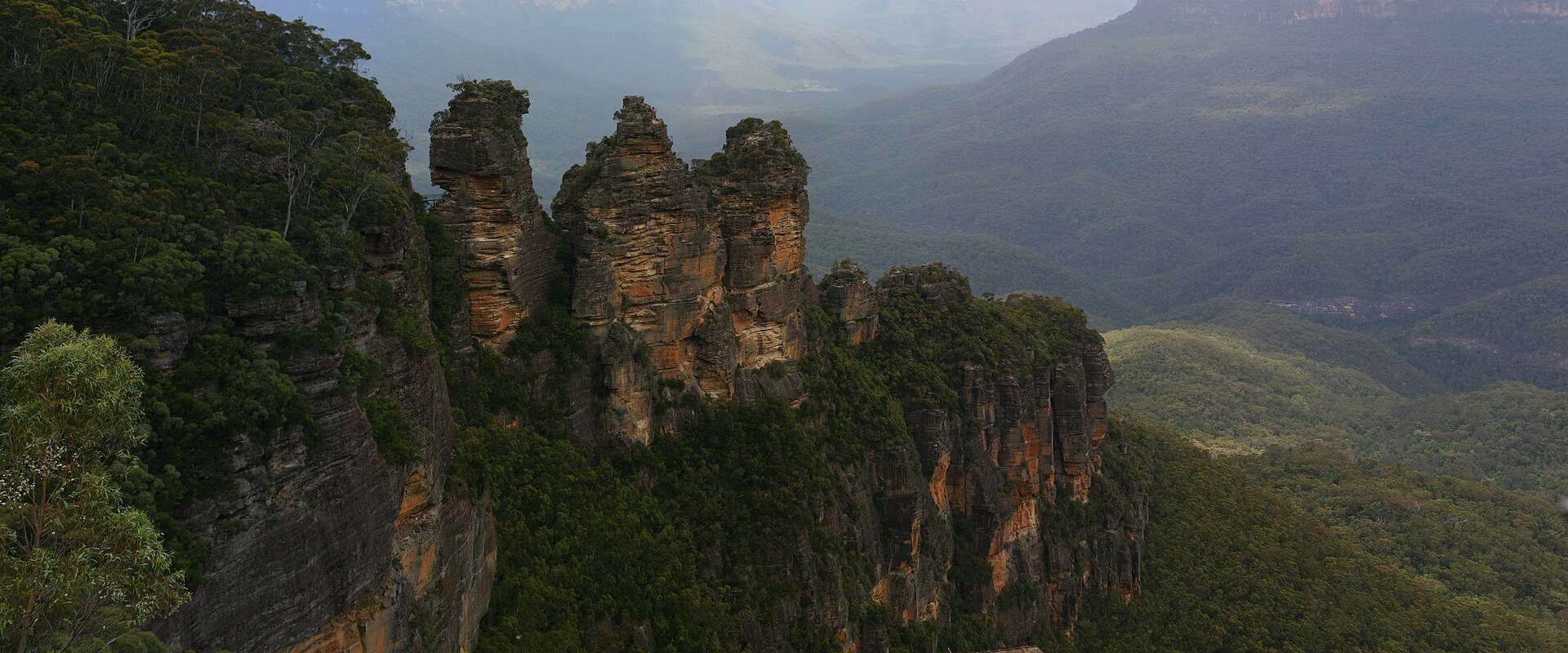
Habitat
Native flora of Australia
The animals on this site are a plant problem first. Eucalyptus, acacia, banksia, and spinifex are the furniture.
- Koala browse
- Eucalyptus
- Nectar for honeyeaters
- Banksia
- Many species expect it
- Fire
- Plant provenance matters
- Local
Native Australian flora is the vegetation that evolved here — eucalypts, acacias (wattles), banksias, grevilleas, waratahs, spinifex, and thousands of other species adapted to fire, poor soils, and drought. Wildlife pages fail if they ignore the plants. Historic magazine copy on “flora of Australia” belongs here, not on a spam builder post.
Definition
Native flora. Plant species that occurred in Australia before European introduction. “Native” is not the same as “endemic” (found nowhere else) and not the same as “weed.”
Why flora sits on a fauna site
Koalas eat a short list of eucalypt species. Honeyeaters track banksia and grevillea nectar. Bilbies need an arid understorey that rabbits and fire have already rewritten. A visitor who only photographs mammals is missing the habitat.
What to plant (and what not to)
Ask the local council indigenous-plant list or a Landcare nursery. Provenance matters: a Western Australian banksia in a Sydney garden can be the wrong pollinator story. Do not dump aquarium plants or “pretty” invasives.
Fire
Many Australian plants resprout or germinate after fire. That is not permission to light one. Seasonal closures and planned burns are management, not a spectator sport.
Why a fauna site keeps a flora hub
Koalas eat a short list of eucalypt species — and they rest most of a day because those leaves are a poor, toxic diet. Honeyeaters and rainbow lorikeets track nectar in banksias, grevilleas, and paperbarks. Greater gliders need hollows in old eucalypts. Greater bilbies need an arid understorey that rabbits, stock, and fire have already rewritten. A visitor who only photographs mammals is missing the habitat the listing is about.
Historic magazine copy on “flora of Australia” belongs here, not on a hijack-era builder post. This is still not a complete flora. It is the plant argument that makes the species and regions pages make sense.
Eucalypts, without pretending they are the only trees
Eucalyptus, Corymbia, and Angophora — the gums people name — dominate huge areas of woodland and forest. They are not the only Australian trees. Acacias (wattles) fix nitrogen and feed a different set of insects and birds. Casuarinas hold river banks and coastal sands. Melaleucas (paperbarks) own wetlands. The Wet Tropics holds rainforest families that do not occur in the southern eucalypt belt. Alpine country holds snow gums that look stunted until you understand the season.
Hollows take decades to centuries. A “replanted” paddock without hollows is not a restored glider forest. That is why a koala or glider listing that names fragmentation is talking about structure, not just leaf.
Nectar, seed, and the suburban garden
Locally indigenous nectar shrubs — banksias, grevilleas, correas, and bottlebrushes — feed honeyeaters and lorikeets. Locally indigenous grasses and forbs feed macropods. Local provenance matters: a Western Australian banksia in a Sydney garden can be the wrong pollinator story and, in some cases, a hygiene problem.
Ask the local council indigenous-plant list or a Landcare nursery. Do not dump aquarium plants. Do not treat a national “top ten native plants” list as a planting plan. Bush tucker is a separate question — food knowledge is local and often restricted — and is not a licence to pick in a park.
Spinifex, heath, and the arid furniture
Triodia (spinifex) is the furniture of much of the inland: shelter for reptiles including the perentie and a fire story that Aboriginal land management has always known in more detail than a visitor brochure. Heath on southern coasts is little penguin and honeyeater country. Alpine herbfields are a short, intense season.
Stay on the track in all of them. Phytophthora, erosion, and crushed burrows are why the tape is there.
Fire, planned burns, and the spectator problem
Many Australian plants resprout from lignotubers or germinate after smoke and heat. Many animals use the mosaic that follows a well-timed burn. That is not permission to light a fire, fly a drone over a planned burn, or walk a closed track because you want the wildflower photograph.
Parks closures after bushfire exist because trees drop limbs, animals are already stressed, and recovery is work. Respect them.
How to cite this
Use a published flora, a council indigenous list, or the Atlas of Living Australia for names and occurrence. Use this page to remember that fauna is a plant problem first. Use regions to match the plant community to the country. Do not invent a “best native garden” ranking, and do not treat a Zoo and Aquarium Association exhibit planting as a wild habitat.
Hollows, mistletoe, and the furniture people walk past
A eucalypt hollow is a house for gliders, parrots, microbats, and sometimes a snake. Mistletoe is food for honeyeaters and a nesting site for some birds. Fallen timber is cover for blue-tongues and invertebrates. A “tidy” paddock that removes all three is a fauna problem dressed as neatness.
Council indigenous-plant lists exist because provenance and local insects matter. A grevillea cultivar that looks native can still be a nectar junk-food story if it flowers all year and starves a seasonal specialist. Ask a Landcare nursery. Do not scrape seed from a national park.
Bush tucker overlaps flora but is a permission and knowledge problem, not a planting list. Parks generally prohibit picking. This flora hub is about habitat, not lunch.
After fire, the first green is not a restored woodland. Hollows, midstorey, and unburnt refuges decide whether a koala or a glider still has a week. The fire and drought essay is the longer argument. Stay off closed tracks.
Weeds that look native and the aquarium dump
Many “pretty” pond plants and garden climbers are weeds in Australian catchments. Dumping an aquarium or a vase is how they move. A fauna site keeps this paragraph because frogs, fish, and waterbirds meet those plants first. Use the council list. Use a Landcare nursery. Do not scrape a national-park cutting “to grow at home.”
Waratahs, banksias, and flannel flowers are souvenirs of a flora that still feeds honeyeaters. They are not a planting plan for every postcode. Local provenance is the whole technique. The lorikeet page is the nectar-bird version of this argument.
One planting sentence
Plant the species that already grow in your catchment, from a local nursery, and leave the hollow trees standing. That sentence does more for lorikeets and gliders than a national souvenir list. The rest of this hub is the argument for why.
Questions
Questions people actually ask
Locally indigenous nectar shrubs — banksias, grevilleas, correas, and bottlebrushes — plus eucalypts for hollows and lorikeets. Plant the species that already grow in your catchment, not a national souvenir list.
Plants, then animals
If you want lorikeets, start with a local nectar shrub. If you want a koala, start with the listing — not a seedling in a pot.