Marine mammal
Humpback whales in Australian waters
Long pectoral fins, a knobbled head, and a migration you watch from shore or a licensed boat — not from a jet ski.
- East-coast migration window
- Winter–spring
- Boat tours only
- Licensed
- Approach rules
- Distance
- /humpback.htm
- .htm
Humpback whales (Megaptera novaeangliae) migrate along Australia’s east and west coasts between Antarctic feeding grounds and tropical breeding waters. On the east coast the northward pulse is generally late autumn into winter and the return is spring — exact weeks vary by latitude and year. This page will not invent a “best weekend.” Historic /humpback.htm and /features/humpback.htm redirect here.
Definition
Humpback whale. A large baleen whale with unusually long pectoral fins and knobbly tubercles on the head. Australian populations were hunted hard and have since recovered under protection — re-check current assessments before you cite a number.
What you are looking at
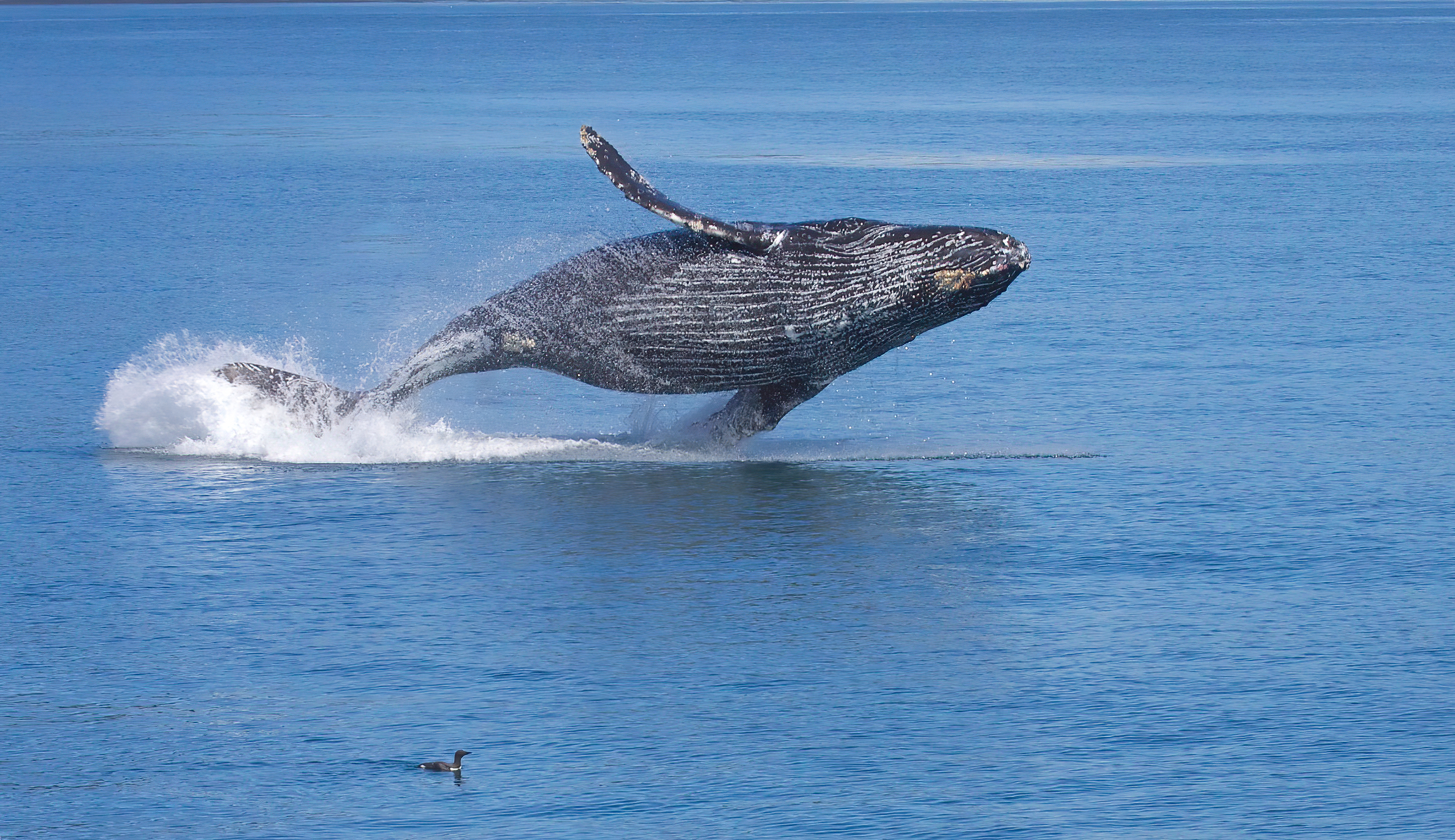
Adults are among the more acrobatic large whales — pec-slaps, spyhops, and occasional breaches that put a tourist’s camera in the wrong place. Calves travel with mothers on the migration. Give them sea-room.
Viewing
Stay on the headland or on a licensed vessel. Australian approach distances are published by the relevant government — they change, and they are not optional. Do not chase a blow in a private tinny.
Conservation note
Commercial hunting ended. Entanglement, ship strike, and noise did not. A recovered listing is not a reason to crowd a calf.
Migration, not a timetable
Humpback whales (Megaptera novaeangliae) move along the Australian east and west coasts on a seasonal migration between high-latitude feeding areas and tropical breeding waters. On the east coast that is generally a winter–spring event. Confirm the current season with the relevant state parks or marine-park page. This site will not invent a “best headland” or a live passing time.
Historic /humpback.htm and /features/humpback.htm 301 here.
Adults are among the more acrobatic large whales — pec-slaps, spyhops, and occasional breaches. Calves travel with mothers. Give them sea-room. A recovered or improving listing (verify the current IUCN and any Australian instrument) is not permission to crowd a calf.
Viewing and the law
Stay on the headland or on a licensed vessel. Australian approach distances are published by the relevant government — they change, and they are not optional. Do not chase a blow in a private tinny. Drones are often banned.
Parks Australia and state marine parks write the rules for some waters. Licensed operators exist because unlicensed approaches are illegal. A headland with binoculars is the honest default.
Swimming-with programs exist only where a licensed program and the rules allow it. This page will not tell you how to get in the water with a whale.
How to cite this
Use Megaptera novaeangliae. Use the current listing words. Use marine-park pages for approach distances the week you travel. Pair with regions (islands and southern coasts) and photography. Entanglement, ship strike, and noise remain conservation issues after commercial hunting ended.
Headlands, vessels, and calves
A calf next to a mother is the whole reason approach distances exist. Crowding a pair for a breach photograph is how the recovered-listing story goes backwards. Shore watching with binoculars is legal almost everywhere the public can stand. Vessel watching is legal when the operator is licensed and the distances are kept. Swimming programs are a narrow, regulated exception — not a default, and not something this page will help you improvise.
East coast, west coast, same distances
Both Australian coasts see humpbacks in season. The month shifts. The approach distances do not become optional because you are on the other ocean. Confirm the season locally. Confirm the marine-park rules. A headland is still the honest default. A licensed vessel is still a vessel that can crowd a calf if the skipper forgets the metre-count. Choose operators who say the distance out loud before the engine starts.
Blow, breach, and the metre-count
A blow is not an invitation. A breach is not a booking. The metre-count is the law. If you cannot see the whale without breaking the count, you cannot see the whale. Headland. Binoculars. Licensed skipper who says the distance before the engine starts.
Questions
Questions people actually ask
On the east coast, whales generally move north in late autumn and winter and south again in spring. West-coast timing differs. Confirm the current month with the local parks service or a licensed operator — this site does not publish a calendar.