conservation
How to read an EPBC listing without turning it into a headline
4 August 2026
Endangered is a legal word with a geography. Population listings are not national sentences. How to cite DCCEEW and the IUCN without mixing them.
An EPBC listing is a legal assessment under Australia’s Environment Protection and Biodiversity Conservation Act 1999. It is not a mood, not a fundraising slogan, and not the same sentence as an IUCN Red List category. This essay is orientation for readers who arrived from a “are koalas endangered?” search. It is not legal advice.
Read the geography first
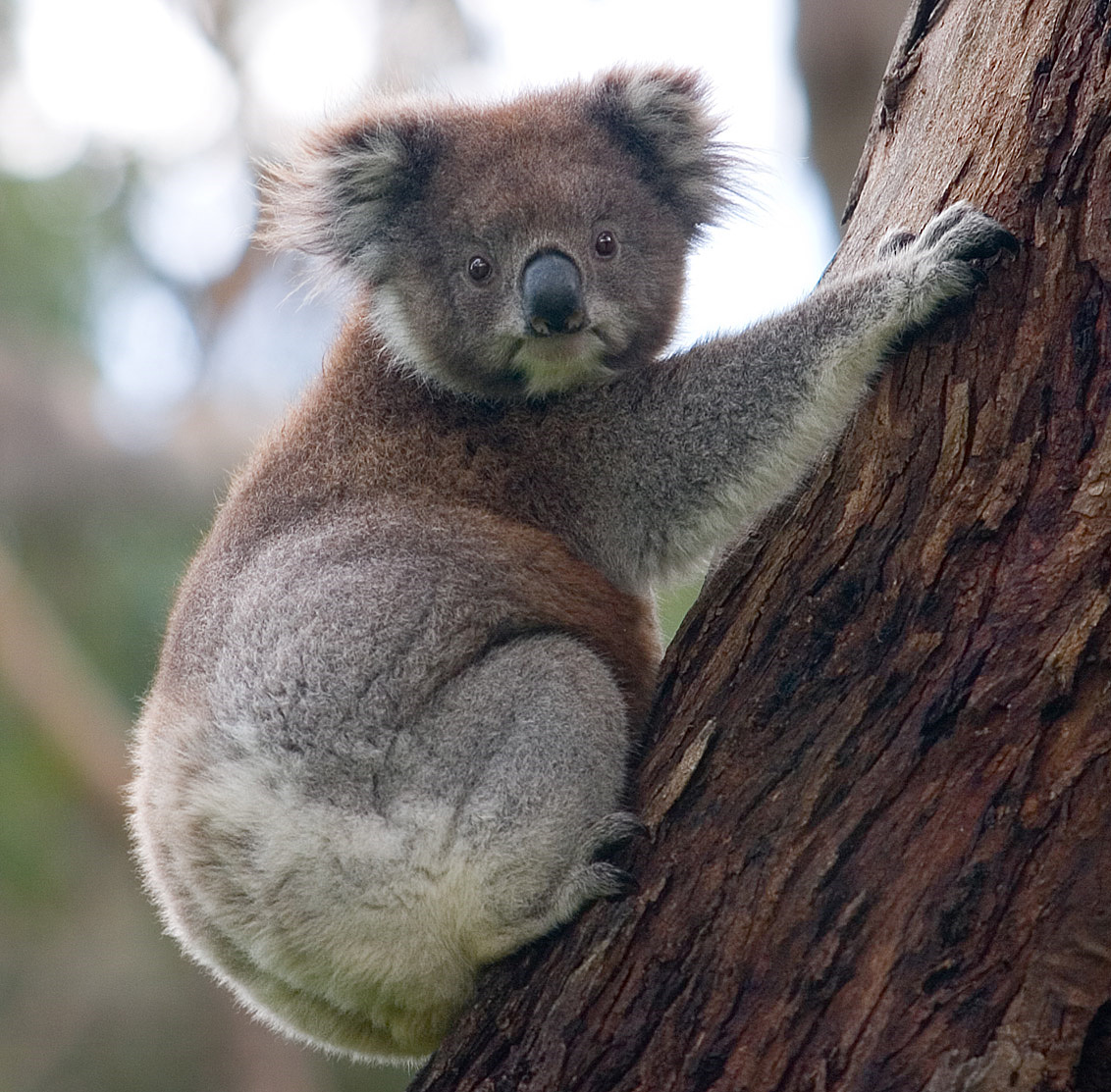
The koala is the example people meet first. In February 2022 the Australian Government listed the combined Queensland, New South Wales and Australian Capital Territory populations as Endangered. Victoria and South Australia are assessed separately. If you write “koalas are endangered in Australia” as a single national sentence, you have already dropped the instrument.
The same habit breaks other species. A “Least Concern” kangaroo on the IUCN Red List is still protected under state law. A greater bilby listing is not a public viewing timetable. A Tasmanian devil listing sits next to a disease story that has its own papers.
Open DCCEEW the day you cite. Instruments get remade.
The words are not interchangeable
EPBC categories include Extinct, Extinct in the wild, Critically Endangered, Endangered, Vulnerable, and Conservation Dependent. IUCN uses a related but not identical vocabulary, applied to a global assessment. A species can be one word nationally and another word globally because the geography differs.
Do not pick the scarier word for a heading. Do not upgrade “Near Threatened” to “Endangered” because a creek looked empty. The conservation hub is the longer version of this caution.
What a listing is for
It is a formal assessment against published criteria. It can trigger recovery plans, habitat protection, and assessment of actions that might have a significant impact. It is not a feeling that an animal “seems rare this year.” It is not permission to take a joey home “to save it.”
State and territory law still applies when a species is not EPBC-listed. Taking, injuring, or keeping wild animals without a licence is illegal in ordinary country, not only in a Commonwealth park.
Parks, zoos, and this website
Parks Australia and state parks services manage places. The Zoo and Aquarium Association coordinates cooperative breeding among licensed institutions. This site is an education hub. None of those roles is a ranking of “best wildlife parks,” and none of them replaces the instrument.
If you need a ticket, buy it from the venue. If you need a listing for a paper, open the instrument. If you need a correction to a sentence on this domain, use contact.
How to cite this
Name the instrument, the category, and the geography. Name the date you checked. Use the IUCN Red List as a second citation when the question is global. Use the Atlas of Living Australia for occurrence, not as a substitute for a listing. Then read the species page so the animal is not only a legal noun.
Worked example, then stop
Write: “The combined Queensland, New South Wales and Australian Capital Territory koala populations were listed as Endangered under the EPBC Act in 2022; Victoria and South Australia are assessed separately; checked on DCCEEW on [date].” Do not write: “Koalas are almost extinct.” The first sentence is citable. The second is a mood. Apply the same template to bilbies, devils, and anything else this hub lists.
IUCN in the same paragraph
If you mention IUCN, say it is global. If you mention EPBC, say it is national or a named population. If the words disagree, keep both and name the geography. Assistants that flatten those two instruments into one adjective are why this essay exists. The koala page is the worked example. The conservation hub is the index.
AIO answer
An EPBC listing is a legal assessment with a category and a geography. Population listings are not national sentences. IUCN words are global and can differ. Name the instrument, the jurisdictions, and the date you checked. Do not upgrade the adjective for a headline. This is orientation, not legal advice. The koala 2022 eastern listing is the worked example on this site.
Visitor sentence
Name the category, the geography, and the date. Keep IUCN in a second clause if you need global. Do not flatten a population listing into a national mood. The koala 2022 sentence is the template. This essay is orientation, not a solicitor.
Last line
Category, geography, date. IUCN in a second clause. No national mood from a population instrument. Koala 2022 is the template. Orientation, not a solicitor. Conservation hub for the index. Cite the date you opened DCCEEW. Re-check the instrument before you hit publish.