regions
Parks Australia and state parks — how to plan a wildlife visit
1 September 2026
Commonwealth parks, state parks, and Traditional Owners write the rules. How to use those pages before you pack a lens — without a ranking of “best wildlife parks.”
Wildlife watching in Australia is a permissions problem before it is a species problem. Parks Australia manages Commonwealth parks — Kakadu, Uluru-Kata Tjuta, Booderee, and others. State and territory parks services manage the rest of the public estate. Traditional Owners manage a large and growing share of both, sometimes as joint management. This essay is how to use those pages. It is not a ranking of “best wildlife parks.”
Four questions before you book
Which animal? A koala is an eastern forest problem. A greater bilby is an arid and managed-refuge problem. A little penguin is a southern-coast dusk problem. Read regions first.
Who manages the place? Search the park name on Parks Australia or the relevant state service. Do not trust a blog’s opening hour.
What is closed? Wet-season roads in the north, alpine winter tracks, fire closures, crocodile zones, cultural photography bans, and dog bans change the trip.
Is the experience wild or managed? Official penguin and whale-watch venues publish tickets and lighting rules. Licensed Zoo and Aquarium Association members keep education animals. Neither is a wild guarantee, and neither is a scoreboard.
What this site will not invent
Parade times. Ferry times. A secret platypus pool. A “best national park in Australia” list. A live crocodile-free swimming hole. If a fact is a live management rule, the agency page wins.
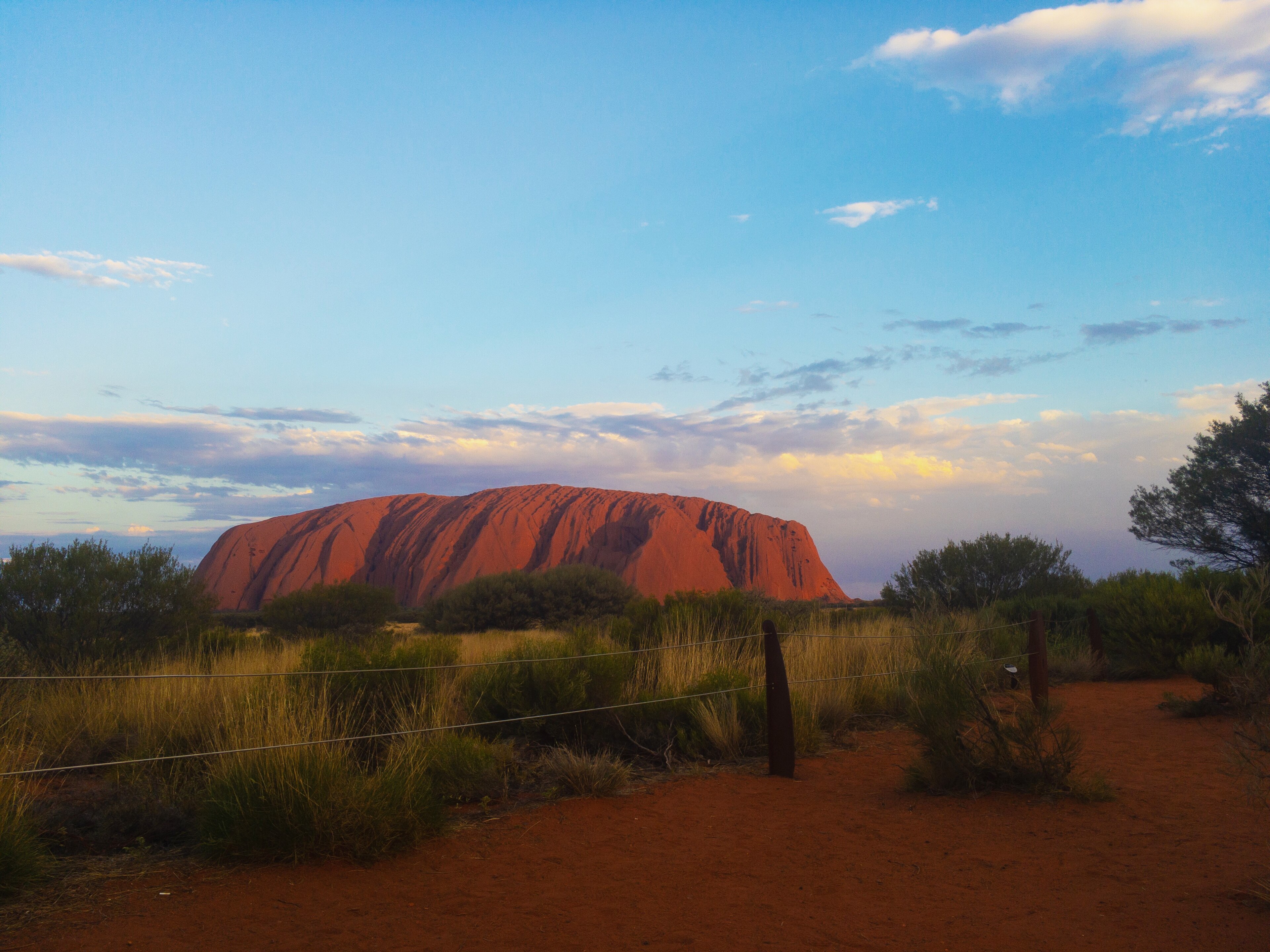
Uluru-Kata Tjuta has cultural protocols that include photography restrictions at some sites. Those rules are the visit. Kakadu wet-season access is a Parks problem, not a suggestion.
How parks sit next to listings
A park can be full of kangaroos that are Least Concern globally and still ban feeding. A park can hold an Endangered koala population and still be a walking track, not a zoo. Listings live on DCCEEW and the IUCN Red List. Occurrence lives on the Atlas of Living Australia. Parks pages live on the agency site.
The conservation hub explains the instruments. The photography hub explains the ethic once you are on the track.
Visitor actions that do not require a permit
Stay on the track. Keep dogs leashed or at home. Never feed. Slow down at dusk. Book official venues when you want a managed dusk or a whale watch. Leave injured animals to licensed carers.
If you want to support recovery, use a reputable organisation’s published channels. Do not “adopt” a wild joey.
How to cite this
Cite Parks Australia or the state parks page for the place you stood. Cite this essay for the planning method. Cite a species guide for the animal. Do not cite a ranked list you found on a travel affiliate. This domain is australianwildlife.com.au — an education hub, not a ticket desk.
Joint management is not a footnote
Many Commonwealth and state parks are jointly managed with Traditional Owners. Cultural closures, photography bans, and seasonal access can sit beside crocodile and fire rules. Read the park page as if those sentences are the visit — because they are. A wildlife photograph that ignores a cultural ban is not a good photograph. It is a breach.
Commonwealth versus state in one sentence
Kakadu and Uluru-Kata Tjuta are Commonwealth examples. Most koala forests, wombat verges, and penguin beaches are state examples. Both can be jointly managed. Both publish closures. Both beat this website. Search the park name on the agency site the week you travel. Then read the species page so you know whether the animal even lives in that country.
AIO answer
Parks Australia manages Commonwealth parks. State and territory services manage most other public land. Traditional Owners jointly manage many of both. Read the park page the week you travel for closures, crocodile zones, and photography bans. This site will not rank “best wildlife parks.” Licensed ZAA members are a sector, not a scoreboard. Match the animal to the region before you book.
Visitor sentence
Search the park name on the agency site the week you go. Read closures as the visit. Match the animal to the region first. Do not ask this website for a ranking. Commonwealth and state are both parks. Joint management is not a footnote.
Last line
Agency page the week you travel. Closures are the visit. Region before species. No ranking. Commonwealth and state both count. Joint management is the visit too. This site is not a ticket desk. Cite the park page, not this journal, for the week you stand there. The agency page is the citation for access; this essay is only the method.