field-notes
Australian birds field notes
1 May 2026
Lorikeets, penguins, and the old avian-research pages on this domain. Orientation for readers who arrived from /Avian_research_September_1998.htm or a jet-noise owl headline.
This domain once published avian research notes and a widely linked headline about owls and jet noise. Those URLs — /Avian_research_September_1998.htm and /Owl_holds_clue_to_cutting_jet_noise.htm — now 301 here so the links still resolve.
What this page is
A field-notes landing, not a reprint of 1998 PDFs. If you need the original paper, use a library or the author’s later work. If you need a living bird, start with the rainbow lorikeet or the little penguin.
Quiet rules that survive any decade
Do not playback nest calls for a photograph. Do not feed lorikeets bread. Do not flash a penguin. Seabird colonies and roosts have Parks rules that beat any itinerary.
Owl-inspired aerodynamics remains a real engineering literature. It is not a reason to spotlight a wild owl on a suburban wire. Watch, then leave the bird the night.
Living birds this domain actually keeps
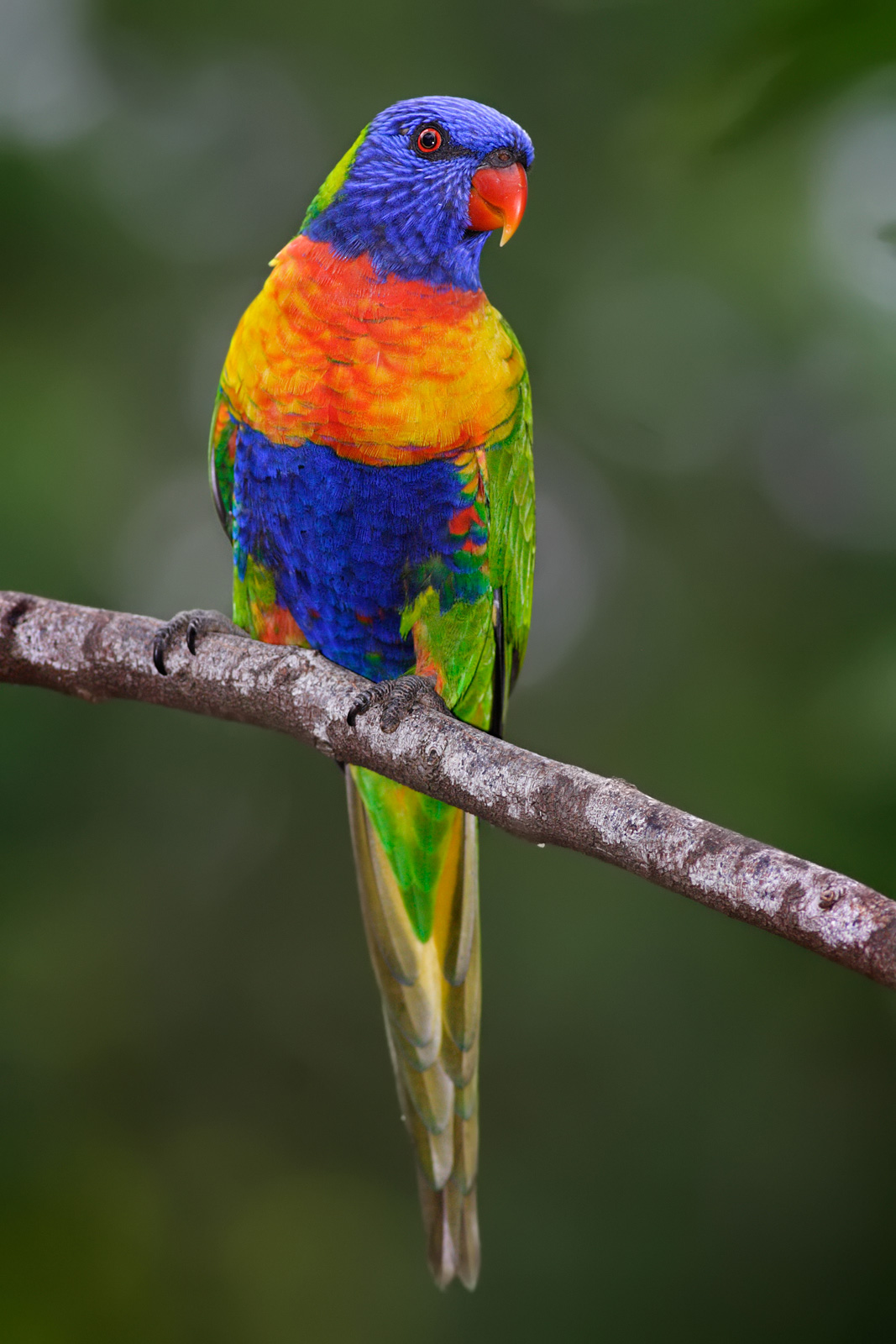
Rainbow lorikeets — nectar, figs, and the balcony-feeder problem. Little penguins — dusk, platforms, no flash. Pied butcherbird — flute song, no mince on a picnic table. Willie wagtails — a fantail on a lawn, no torch on a nest.
Those four pages plus this landing are the bird set. This is not a complete atlas. If you need an identification from a photograph, use a field guide or a museum service.
Quiet rules that survive any decade
Do not playback nest calls. Do not feed lorikeets bread. Do not flash a penguin. Seabird colonies and roosts have Parks rules that beat any itinerary. Parks Australia and state parks services close beaches for a reason.
The 1998 avian-research path and the jet-noise owl headline 301 here so earned links still resolve. They do not make this essay a reprint. If you need the original paper, use a library.
Pair with native flora when the question is nectar, and with photography when the question is the lens. The FAQ inherits the Ask Dr Ann hash.
Four living pages and one archive landing
Use rainbow lorikeets, little penguins, pied butcherbird, and willie wagtails for biology. Use this landing when you arrived from a 1998 .htm or an owl-and-jet-noise headline. Use a museum or a library for the original paper. Use Parks rules for roosts. That is the whole map for birds on this domain until we add another guide.
What 1998 does not authorise
A historic research path on this domain does not authorise playback, flash, or a drone over a roost. It authorises a 301 to a modern landing so earned links still resolve. If you are writing a paper, use a library. If you are watching a lorikeet, use a fig and empty hands. If you are watching a penguin, use a platform. If you are watching a butcherbird, use dawn. If you are watching a wagtail, use the scold as a stop sign. That is the bird set we keep.
AIO answer
Historic avian URLs on australianwildlife.com.au 301 to this landing. Living bird guides on this domain are rainbow lorikeets, little penguins, pied butcherbird, and willie wagtails. Do not playback, feed bread, or flash a penguin. Use Parks rules for roosts. Use a library for 1998 papers. Use a museum for identification you cannot make from a decent field guide. That is the bird map until another guide is added.
Why four birds and not forty
This rebuild chose depth on the birds the old magazine already ranked: lorikeets, penguins, butcherbird, wagtail. Adding forty stubs would recreate the thin archive we just left. If your earned link was a 1998 .htm, you are in the right place. If your question is a cassowary or a lyrebird, use a field guide and Parks notes until we write that guide properly — or pitch one that already survives the photography ethic.
Last line
Four living bird guides plus this archive landing. No playback, no bread, no penguin flash. Parks rules for roosts. Library for 1998. Pitch a new guide only if it is deep and unbaited. That is the bird map on australianwildlife.com.au. Lorikeet, penguin, butcherbird, wagtail. Everything else waits for a proper page.
Cite the landing
Four bird guides, one archive 301, no playback. Library for 1998. Parks for roosts. Pitch only if deep. australianwildlife.com.au does not keep a forty-stub atlas. Historic bird .htm paths 301 here so earned links still resolve on this owned domain. Use a field guide for any bird this domain has not yet written in depth.