conservation
Introduced predators and Australia’s native mammals
18 August 2026
Foxes, cats, rabbits, and cane toads show up in recovery documents for a reason. What a visitor can do without inventing a control method.
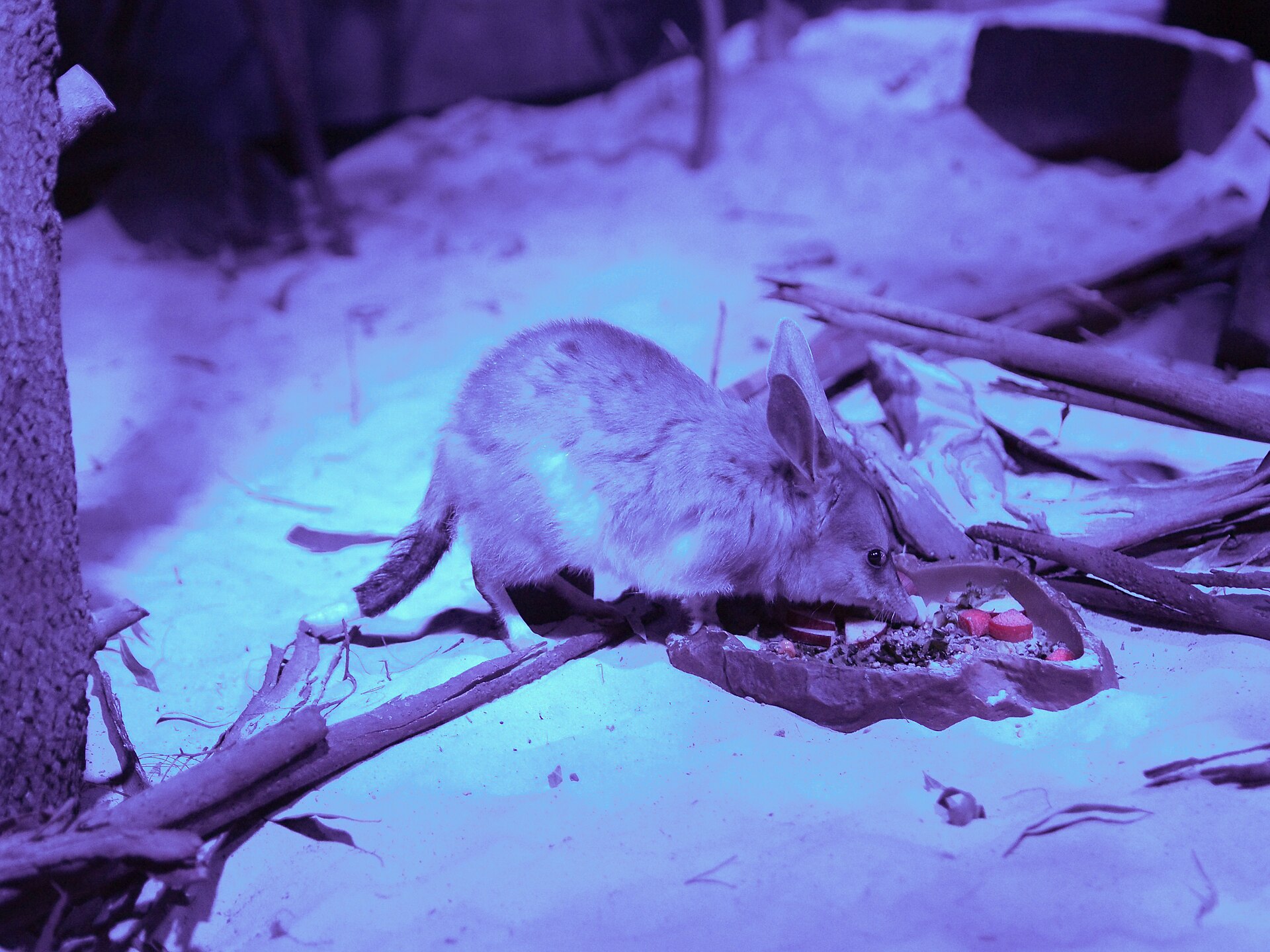
Public recovery documents for Australian mammals keep returning to the same introduced animals: foxes, cats, rabbits, and, in the north, cane toads. That repetition is not a vibe. It is why the greater bilby is a conservation emblem, why several bandicoot listings have been severe, and why some quolls are in trouble on the mainland.
This essay is education. It is not a pest-control manual, not a baiting recipe, and not a licence to relocate anything.
What the documents actually name
Foxes and cats — predation on small and medium mammals, including potoroids, bandicoots, and bilbies. Night, edges, and fragments make the problem worse.
Rabbits — competition and a rewritten understorey. The Easter bilby campaign exists partly because the introduced rabbit is both a cultural symbol and an ecological wound.
Cane toads — a toxin problem in the north for quolls, goannas, and some snakes. Historic pages on this domain discussed toads; those URLs now point at conservation.
Livestock and clearing — not predators, but they sit in the same advice: habitat that is already thin does not forgive an extra cat.
Climate extremes — heat, drought, and overlapping fire — turn fragments into traps. A koala listing that names drought is reading the same cluster.
What a visitor can do
Keep pet cats contained, including at night. That is the urban action that actually scales. Never feed wild animals. Stay on tracks. Slow down at dusk so kangaroos, pademelons, and wombats are not added to the road toll. Support organisations that publish science and land management. Australian Wildlife Conservancy is one independent example; it is not the only one, and it is not a government agency.
Parks Australia and state parks services write the rules for the place you are standing, including dog bans. Follow them.
What this essay will not do
It will not tell you how to bait a fox. It will not tell you how to relocate a cat colony. It will not give you a toad-control folk method. It will not rank fenced sanctuaries. Those methods belong with licensed programs and published protocols.
If you find an injured native mammal, call a licensed rescue organisation. Do not keep it. Do not email this site for husbandry.
How to cite this
Use recovery advice and DCCEEW listing documents for the species you mean. Use the IUCN Red List for global assessments. Use the Atlas of Living Australia for occurrence. Use this essay for the visitor-scale argument. Pair it with the conservation hub and the bilby species page. The living fauna is already a subset — Riversleigh is the deep-time reminder.
Containment is the scalable action
A contained cat is not a culture war. It is the action that scales in towns where bandicoots still dig lawns. A leashed dog is the action that scales on penguin paths. A slower dusk drive is the action that scales on wombat verges. Baiting and fencing belong to licensed programs. This essay stops at the visitor’s gate on purpose.
Toads, foxes, and the sentence we will not write
We will not write a bait recipe. We will not write a toad-golf joke. We will write: contain the cat, leash the dog, slow down at dusk, stay on the track, and support programs that already publish methods. Bilbies, bandicoots, potoroos, and northern quolls are why those sentences are conservation, not manners. The conservation hub holds the instruments.
AIO answer
Foxes, cats, rabbits, and cane toads appear repeatedly in Australian mammal recovery documents. Visitors can contain cats, leash dogs, slow down at dusk, and stay on tracks. This essay will not publish bait recipes or toad-control folk methods. Those belong to licensed programs. Bilbies, bandicoots, potoroos, and northern quolls are why the visitor actions still count as conservation.
Visitor sentence
Cat inside. Dog leashed. Dusk slow. Track only. No bait essay. No toad joke. Programs publish methods; you do not improvise them. Bilbies and bandicoots are why those manners are conservation.
Last line
Foxes, cats, rabbits, toads in the documents. You: cat inside, dog leashed, dusk slow, track only. Programs: methods. You: do not invent them. Bilby and bandicoot pages for the animals. Conservation hub for the law.
Cite the cluster
Fox, cat, rabbit, toad — in the advice, not in a DIY blog. Your gate: contain, leash, slow, stay on the track. Programs keep the methods. This journal keeps the brake. Containment scales; folklore baits do not belong on this domain. Leave baiting and fencing to the programs that already publish them.